
Applications & Solutions
How to Choose Compression Sleeves for Running and Sports
Running or training in compression sleeves? Compare compression levels, fit, fabric and sizing — and the questions to ask an OEM supplier before you order.
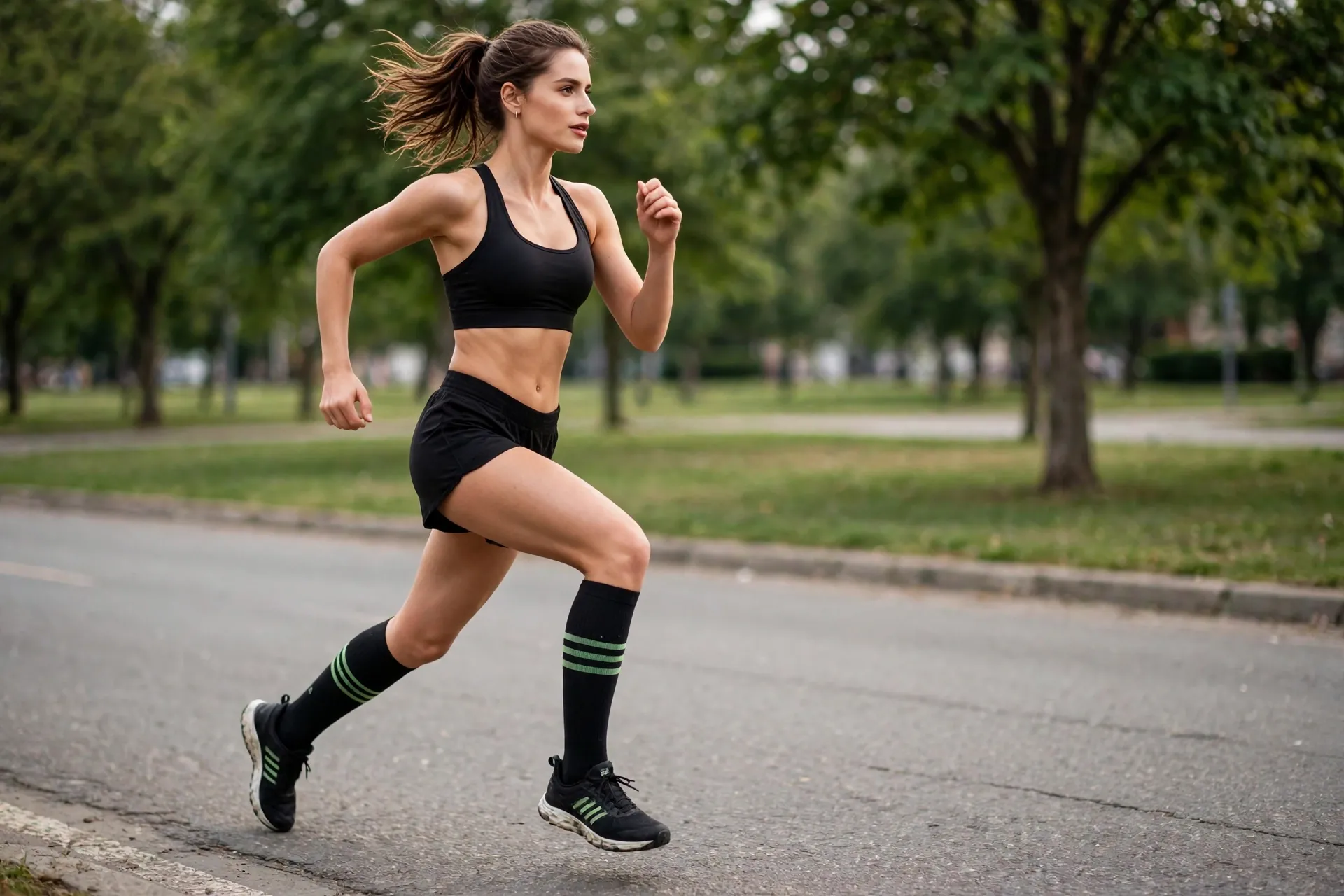
How to Choose Compression Sleeves for Running and Sports
For runners and athletes, a compression sleeve is not just a tighter sock or a smaller knee brace. It has to stay in place through a long run, breathe when you sweat, and give steady — not painful — pressure where the leg needs it most. For brands and buyers sourcing these products, the same questions come up every time: which compression level, which length and fit, which fabric, and what should you ask the supplier before placing an order?
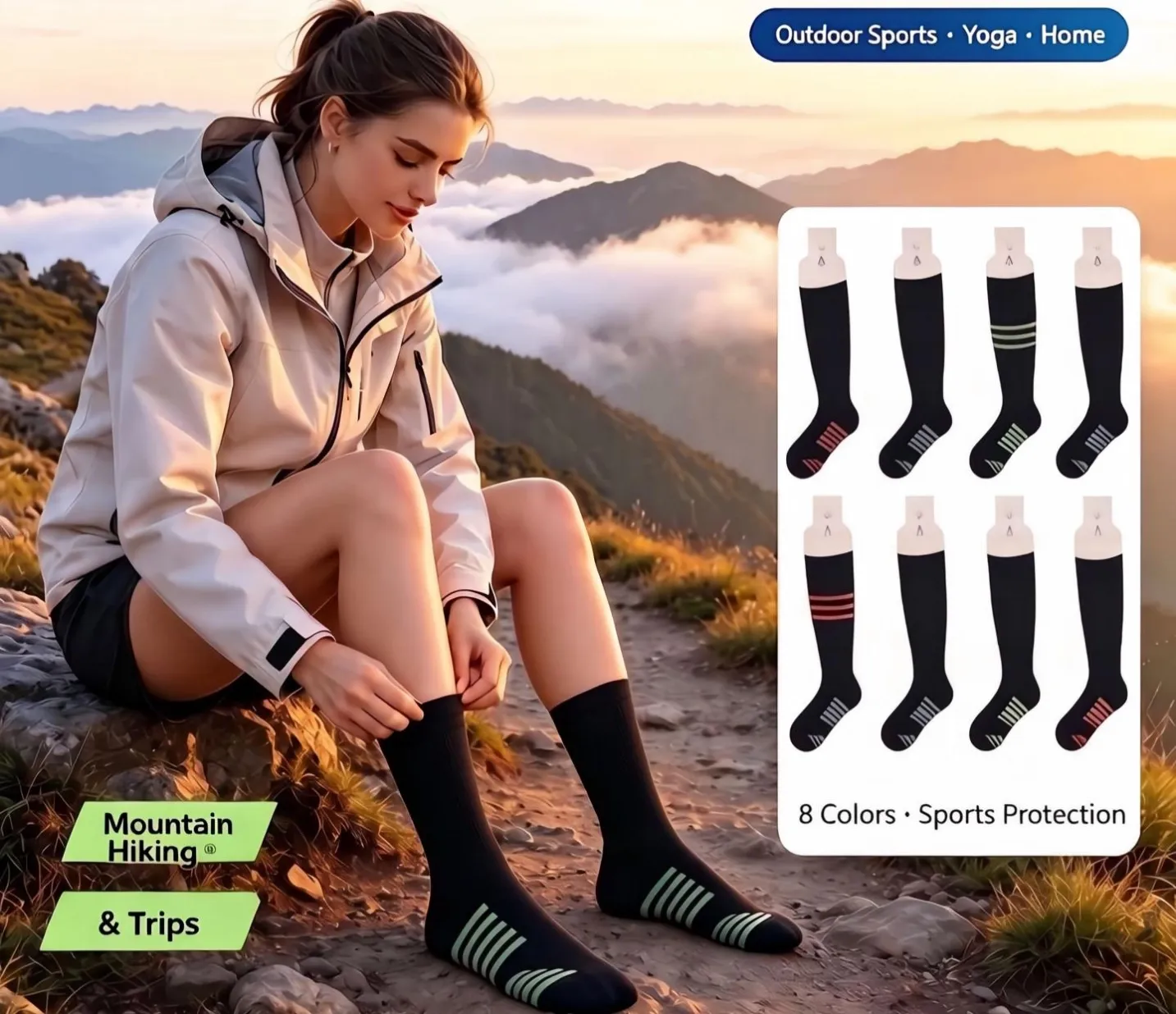
This guide covers calf and leg compression sleeves for running and training. It is written for buyers, not as medical advice: if a product is intended for a medical condition, that needs professional guidance and the relevant test reports.
- Start with the use case, not the product Running puts different demands on a sleeve than recovery or everyday wear.
- Long-distance running: the sleeve is worn for hours. Graduated compression, a secure top band and a flat, low-friction seam matter more than maximum tightness. A sleeve that rolls down or bunches behind the knee will not survive a long run.
- Interval training and gym work: the sleeve is put on and taken off more often, and the leg bends and sweats hard. Easy on/off, breathability and a fit that does not restrict the knee or ankle are the priorities.
- Recovery after training: the sleeve is worn at rest, often for a set period after exercise. Comfort over a long wear time matters, and the compression level should be one the wearer can tolerate while sitting or walking — not the firmest option available. A buyer who can name the use case first can then judge every other specification against it. A sleeve designed for recovery is not automatically a good running sleeve, and vice versa.
- Compression level: what the numbers mean Compression is usually stated in millimetres of mercury (mmHg), with the pressure firmest at the ankle and gradually lighter up the calf. These are general industry ranges, not Aby-Tex specifications — confirm the actual tested values for any product you source.
- 15–20 mmHg — light: a common starting point for everyday wear, travel and light training. Most wearers tolerate it for long periods.
- 20–30 mmHg — moderate: the range most often used for sports and recovery products. It gives a clearly noticeable hold without the difficulty of putting on a medical-grade product.
- 30–40 mmHg — firm: usually a medical or specialist range. Do not choose it for a general sports line without professional input and clear labelling. Two questions matter more than the headline number: is the compression graduated (firmest at the ankle, lighter up the leg), and has the stated level been tested? Ask the supplier for the test method and report behind the number, rather than accepting a label at face value.
- Fit and sizing: measure, do not guess A compression sleeve that is the wrong size is worse than no sleeve at all — too loose and it slides down, too tight and it cuts in, restricts movement or becomes painful. Buyers should check that a supplier's size chart is based on measurements, not only on S/M/L labels. The measurements that usually decide the fit are: (1) Ankle circumference, at the narrowest point above the ankle bone. (2) Calf circumference, at the widest point. (3) Calf length, from just above the ankle to just below the knee. For a private-label line, ask how many sizes the supplier offers, whether the size range covers your target market, and whether the top band is designed to stay up during running — the same anti-slip and fit issues that affect knitted knee sleeves apply here. A related read on this is Why Knitted Knee Sleeves Roll Down and How to Improve the Fit. If you are developing a new size run, a fitting sample in each size is worth more than a size chart alone. Try it on a real run, not just standing still.
- Fabric and construction: what to feel for Knitted compression sleeves are usually a blend — a main yarn for structure and an elastic yarn for stretch and recovery. What a buyer should check in a sample is practical, not theoretical:
- Breathability and moisture handling: does the fabric feel damp and heavy after a run, or does it dry reasonably quickly? Ask what the yarn blend is, and do not accept a material claim without a composition statement.
- Seams and comfort: flat seams, a smooth inner surface and no hard edge at the top or bottom reduce chafing over distance.
- Stay-up design: a top band that grips without digging in, and a knit structure that recovers its shape after stretching.
- Durability: wash the sample several times and check whether the compression, shape and top band hold up. A sleeve that loses its hold after a few washes will generate returns. Do not claim a specific fibre percentage or a functional benefit (for example, a copper or cooling claim) unless the supplier can document it for that exact product.
- Sleeve, sock or knee support? Pick the right format For running, three formats are often confused. The right choice depends on where the support is needed:
- Calf sleeve (footless): covers ankle to below the knee. Good for runners who want calf support while wearing their own running socks and shoes.
- Compression sock (knee-high): covers foot and calf in one piece. Good when foot support and a single garment are preferred; check the toe and heel construction for running comfort.
- Knee sleeve: supports the knee joint and surrounding area. It is a different product from a calf sleeve, even though both are knitted sleeves — do not substitute one for the other in a product line. If your range already includes compression socks and knee sleeves, a calf sleeve fills the gap between them rather than duplicating either.
- What to ask an OEM supplier Before ordering, a buyer can use this short checklist. It is a general sourcing list — it does not state Aby-Tex's MOQ, price or lead time, which must be confirmed for the specific order.
- What compression levels and size ranges can you supply, and what test reports support them?
- What yarn blend and knit construction is used, and can you provide a composition statement?
- Can you supply a fitting sample in each size, and what is the sampling process? (Aby-Tex states a 7-day target for custom sampling on its homepage — confirm the timeline for your specific design.)
- What customisation is available: length, colours, logo, packaging and labelling?
- How is quality controlled — and what happens if a batch does not meet the agreed compression or size specification?
- What are the care instructions, and how many wash cycles is the product expected to withstand?
Pricing for a custom sleeve depends on the same factors as other knitted supports — yarn, construction, size range and order quantity. For a fuller picture of how those factors affect a quotation, see Custom Ankle Support Sleeve Pricing: What Really Affects Your OEM Quotation?
A simple way to decide
Choose the use case first, then the compression level that fits it, then the size based on real measurements, then a fabric you have tested on a run. If a supplier cannot answer the checklist above with documents and samples, the sleeve is not ready for your brand — however good the first sample feels.