Oct 22, 2026Product Knowledge
Wrist Support Sleeve vs. Wrist Wrap: Which Design Should Your Brand Choose?
Wrist support sleeve or wrist wrap? Compare fit, flexibility, materials, sizing and OEM options to choose the right wrist support products for your brand.
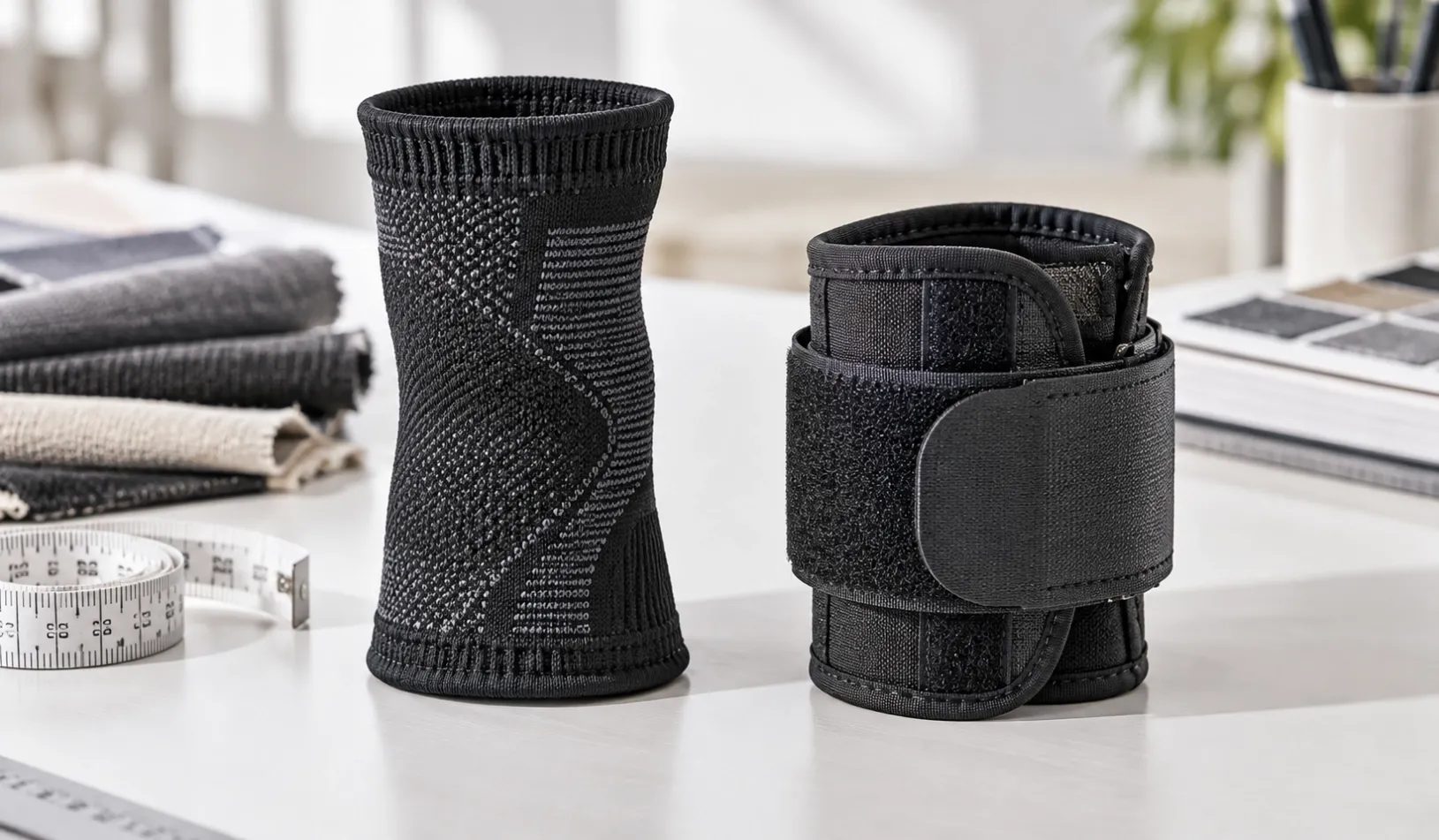
For brands and wholesalers developing a wrist support product line, choosing between a knitted wrist sleeve and a wrist wrap can seem like a minor decision.
Both products are commonly found in sports, fitness and everyday support collections. Both may use elastic materials and can be developed with private-label branding.
But they are not necessarily interchangeable.
A shopper looking for a lightweight sleeve for everyday activities may have different expectations from someone searching for an adjustable wrap for gym training.
For buyers, understanding these differences can lead to clearer product specifications and a more focused retail assortment.
1. What Is a Knitted Wrist Support Sleeve?
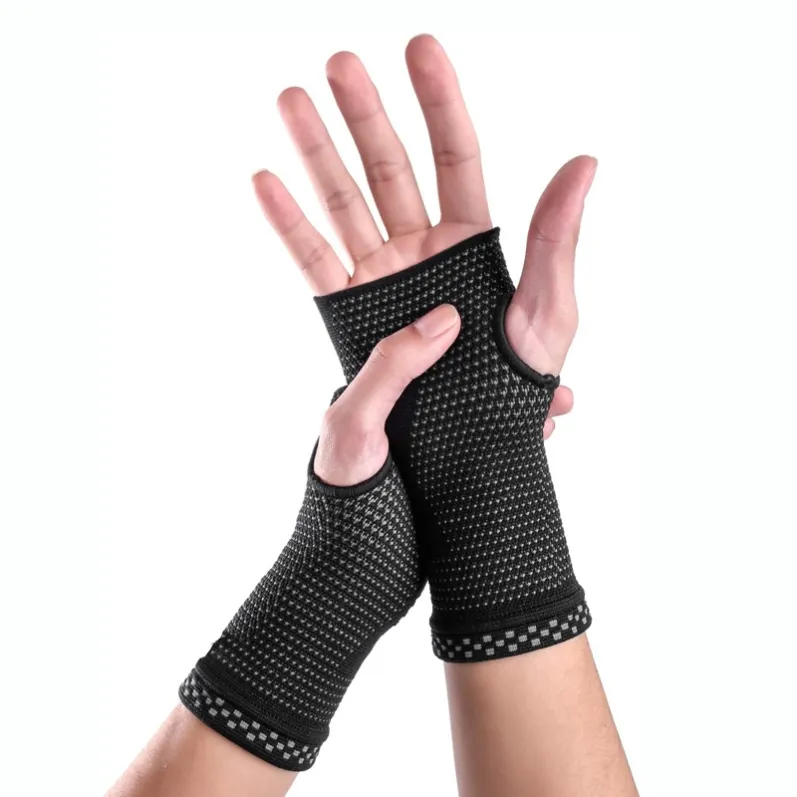
A knitted wrist support sleeve is generally a close-fitting elastic product designed to be worn around the wrist.
Depending on its construction, it may use circular knitting, elastic yarns and different knitting structures to create the intended fit.
Common design characteristics include:
- Lightweight knitted construction
- Stretch-based fitting
- A relatively low-profile appearance
- Different sizes based on wrist measurements
- Optional material, color and branding customization
Some designs extend toward the palm or include thumb openings, while others mainly cover the wrist.
The exact construction depends on the intended product.
For private-label brands, knitted wrist sleeves can be a useful option when flexibility, comfort and a streamlined appearance are important.
2. What Is a Wrist Wrap?
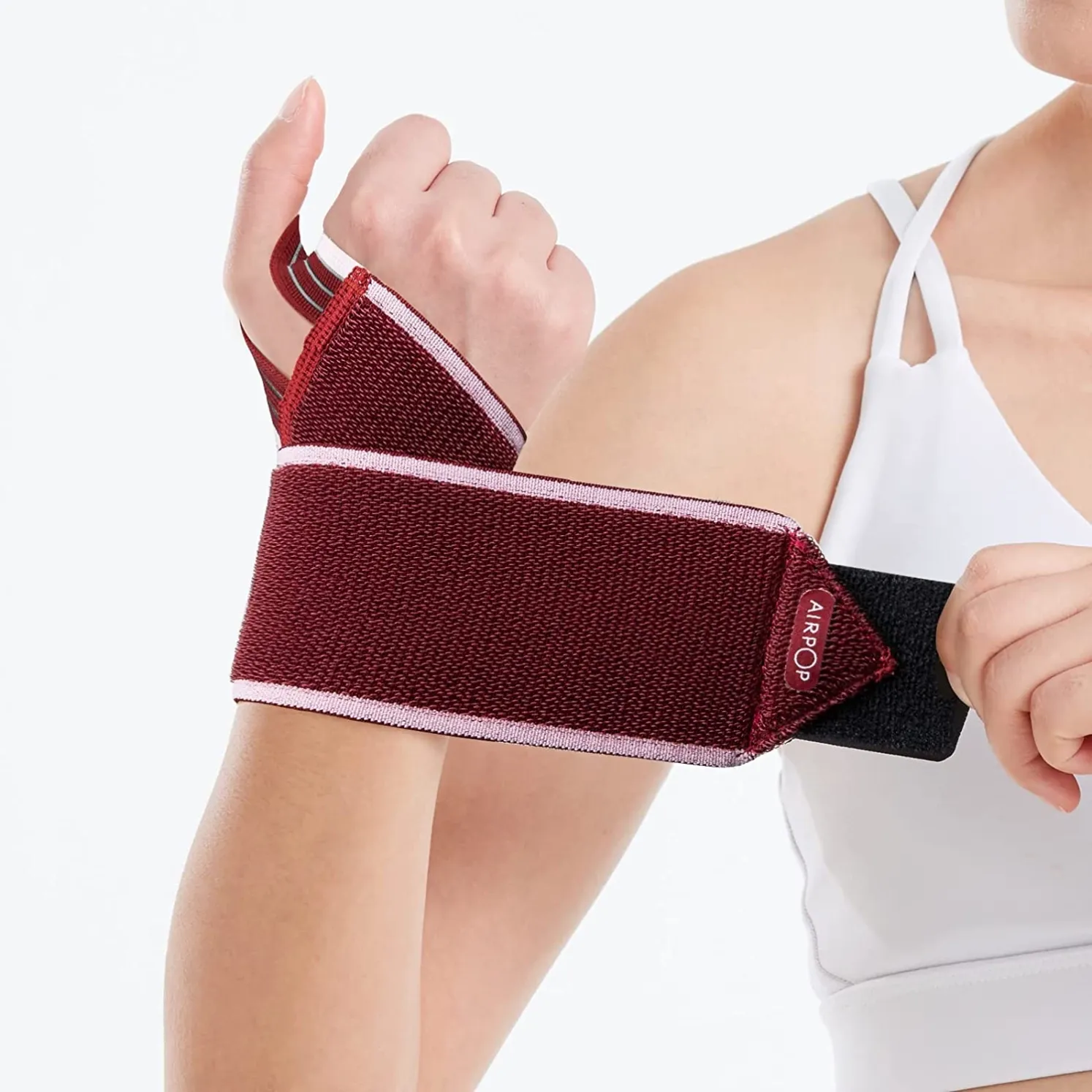
A wrist wrap generally uses a strip or band of material wrapped around the wrist.
Certain designs include adjustable fastening systems that allow wearers to change the tightness.
This construction can be particularly relevant to fitness accessory collections.
Compared with a simple knitted sleeve, an adjustable wrap may offer more direct control over fastening tension.
However, this depends on the actual design.
Not every product marketed as a wrist wrap uses the same materials, closure system or construction.
Buyers should evaluate the supplier's specific sample rather than making assumptions based on the product name.
3. Key Differences Buyers Should Understand
The most useful comparison is not simply which product offers more support.
Instead, consider how the product will be worn, adjusted and maintained.
Feature | Knitted Wrist Sleeve | Adjustable Wrist Wrap |
|---|---|---|
Construction | Elastic knitted body | Wrap-around material with fastening |
Fit adjustment | Mainly through material elasticity and sizing | Typically adjustable through wrapping tension |
Product profile | Often lightweight and close-fitting | Depends on material layers and fastening system |
Sizing approach | Defined size ranges | Depends on length, construction and adjustability |
Common positioning | Sports and everyday support accessories | Fitness and training accessories |
OEM focus | Yarn, knitting, fit and dimensions | Material, length, fastening and durability |
These are general design differences, not verified performance comparisons.
Neither construction should be assumed to provide a particular level of stabilization without suitable evaluation.
4. Consider the Customer Before Choosing the Product
The intended sales channel should influence the product design.
For Fitness and Training Brands
Buyers may want to evaluate how a wrist accessory behaves when gripping equipment or performing repeated wrist movements.
Questions worth discussing include:
- Does the product interfere with grip?
- Does the fastening remain in place?
- Can the wearer adjust it easily?
- Does the material feel too bulky for the intended activity?
A wrap-style product may be worth exploring when adjustable fastening is a priority.
For Everyday Support Collections
A brand may place greater emphasis on lightweight construction, ease of wearing and a low-profile design.
A knitted sleeve can be considered for this positioning.
However, the intended fit and claims should still be supported by appropriate product evaluation.
For Wholesale and Retail Assortments
The challenge is often making each SKU easy for customers to understand.
If two wrist products look similar and make nearly identical claims, shoppers may struggle to see why both are needed.
Clear differentiation in design, fit and intended use can make the assortment easier to explain.
5. Four Important OEM Design Decisions
Before sending a sample request, buyers should clarify the following details.
Material Selection
Common material considerations include elasticity, recovery, thickness, fabric texture and laundering performance.
Yarn and fabric choices should reflect the intended wearing experience and price position.
If a product uses copper-containing yarn, the material composition and any related performance claims should be supported by appropriate evidence.
Sizing and Fit
For knitted wrist sleeves, buyers may need measurements covering the wrist circumference, product length and any thumb-opening dimensions.
For adjustable wrap designs, length, width and fastening range may become more important.
Sizing should be evaluated across representative users.
Construction Details
Small details can influence the overall product experience.
For knitted sleeves, examine the edges, knitting structure and thumb-opening finish where applicable.
For wraps, examine seams, fastening durability and how easily the material can be adjusted.
Branding and Packaging
OEM development may also include colors, labels, logos, care instructions and retail packaging.
Before finalizing artwork, confirm the product name, intended uses, size guidance and any required warnings.
Avoid unsupported medical or therapeutic claims.
6. What Buyers Should Check During Sample Testing
A product that looks good in a catalog still needs practical evaluation.
A useful sample review should include:
- Initial fit: Is the product comfortable to put on and remove?
- Movement: Does the product remain positioned during intended activities?
- Construction: Are the edges, seams and fastening details finished properly?
- Durability: Does the sample maintain acceptable properties after agreed use and washing tests?
- Consistency: Are sample measurements and construction details documented for production?
For adjustable products, repeated fastening and release should also be evaluated.
Feedback should be recorded against clear acceptance criteria rather than general comments such as good quality or comfortable.
7. Should Your Brand Offer Both Products?
Possibly, but the decision should depend on customer demand and product differentiation.
A retailer focused on everyday accessories might begin with a small knitted wrist support range.
A sports equipment distributor may prefer a collection that includes adjustable wrist wraps.
Brands selling through multiple channels can also evaluate both designs, provided their positioning and specifications are sufficiently different.
The objective should not be to create as many SKUs as possible.
It should be to build a collection in which each product has a clear purpose.
Frequently Asked Questions
Can knitted wrist sleeves be customized for private-label brands?
Yes. Depending on manufacturing feasibility, customization can include yarn composition, size ranges, knitting structures, colors, logos and packaging.
Are wrist wraps always adjustable?
No. Product naming varies between suppliers. Buyers should confirm the actual construction and fastening system before specifying or marketing a wrist wrap as adjustable.
Which product is better for sports use?
The answer depends on the activity, intended wearer and product design. A knitted sleeve and a wrap may offer different fitting and wearing characteristics. Performance should be evaluated for the intended application.
Can a wrist sleeve replace a medical wrist brace?
Not necessarily. Flexible support accessories and medical braces may have different intended functions and performance requirements. Buyers should avoid making unsupported equivalence or treatment claims.
Final Thoughts
Choosing between a knitted wrist sleeve and a wrist wrap is not simply a matter of style.
Construction, fit adjustment, materials and target customer expectations all influence the decision.
For brands and wholesalers, the most effective product is the one that matches a clearly defined user need and can be manufactured consistently.
Clear specifications and careful sample evaluation are essential before launching a private-label wrist support collection.
Explore OEM Wrist Support Solutions With Aby-Tex
Aby-Tex supports OEM and ODM development for knitted wrist supports and other functional sports support products.
Development discussions can cover material selection, product dimensions, knitting construction, sample evaluation and private-label packaging.
Planning a custom wrist support collection for your market?