Oct 10, 2026Manufacturing & Capabilities
How a Knitted Support Supplier Builds Buyer Confidence from Sampling to Repeat Orders
Learn how to evaluate a knitted support supplier through sample approvals, quality checks, packaging controls, and repeat-order planning for US and Canada.

A knitted support supplier builds buyer confidence by making each purchasing decision verifiable: what will be sampled, how changes will be recorded, which requirements bulk production must meet, and how repeat orders will stay aligned with the approved product.
For private-label brands, wholesalers, and importers in the United States and Canada, a good sample is an important first step. The larger question is whether the supplier can reproduce it, communicate changes before they affect an order, and help investigate problems with usable records.
The following checkpoints show what buyers should look for between the first inquiry and the next purchase order.
Start with a Brief That Makes Quotations Comparable
A useful supplier response begins with an accurate understanding of the product. Before comparing prices, give each candidate the same development brief.
For knitted supports, include the intended application, target wearer, size range, material preferences, support or compression requirements, product construction, branding, packaging, and estimated quantities by size and color.
Identify which details are fixed and which need development. A reference sample can communicate appearance and feel, but it does not define every requirement for your own product.
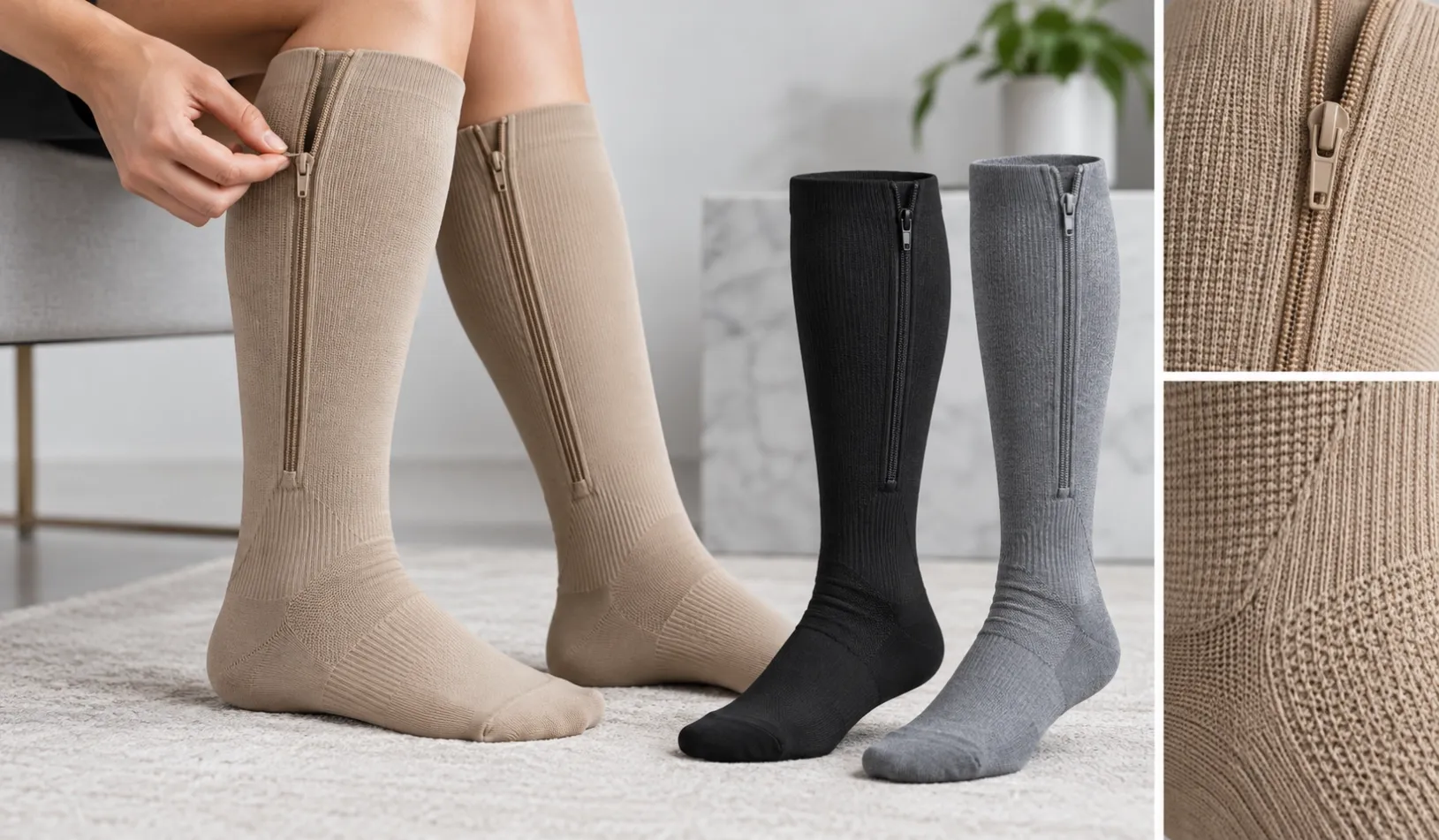
Aby-Tex’s knitted sports support range covers knee braces, ankle sleeves, wrist supports, back supports, and compression socks. Use the relevant product type as a starting point, then explain the changes your brand needs.
For example, an ankle sleeve brief should address heel positioning and fit inside footwear. A knee support brief should address length, fit around the joint, and movement during the intended activity. These are different development questions, even when both products use knitted construction.
Ask the supplier to return a written summary of the proposed specification, open questions, and quotation assumptions. This gives you a practical way to check whether both sides are discussing the same product.
Use Sampling to Resolve Specific Questions
Each sample round should answer a defined set of questions. Approving an attractive sample without recording what was evaluated leaves uncertainty for production.
Separate Appearance, Fit, and Performance
Review these areas independently:
- Appearance: Color, knit pattern, logo placement, and overall presentation.
- Fit: Size coverage, product position, edge comfort, and ease of application.
- Workmanship: Seams, attachments, finishing, and visible defects.
- Performance: Any measurable requirement that will appear in the specification or product claims.
- Packaging: Product identification, presentation, instructions, and pack configuration.
A wear trial can reveal slipping, bunching, or discomfort. It does not establish a numerical compression level or substantiate an antibacterial claim. Where a measurable claim matters, agree on the evidence and evaluation method separately.
Evaluate Relevant Sizes and Constructions
Do not approve an entire size range from one middle-size sample. Request a size-set review appropriate to the project, including the smallest and largest sizes and any separately developed fit options.
Record where the product sits, how it behaves during movement, and whether the wearer can put it on and remove it as intended. Keep feedback connected to the wearer’s measurements and the sample version.
If a support includes straps, stays, zippers, or grip features, include those details in the review. A change to an attachment should be assessed on the finished product rather than approved only from a component photograph.
Keep Sample Revisions Traceable
A supplier inspires confidence when it can explain what changed between samples and why.
Use a revision record containing the sample identifier, material details, measurements, requested changes, review comments, and approval status. Photographs help, but written measurements and decisions make the record useful later.
Avoid instructions such as “make it slightly tighter” without further clarification. Identify the location, the observed issue, and the intended result, then ask the supplier to propose a controlled adjustment.
After revision, check the affected areas again. If a cuff changes, confirm both its comfort and its ability to stay in position. If branding changes, review its placement on each relevant size.
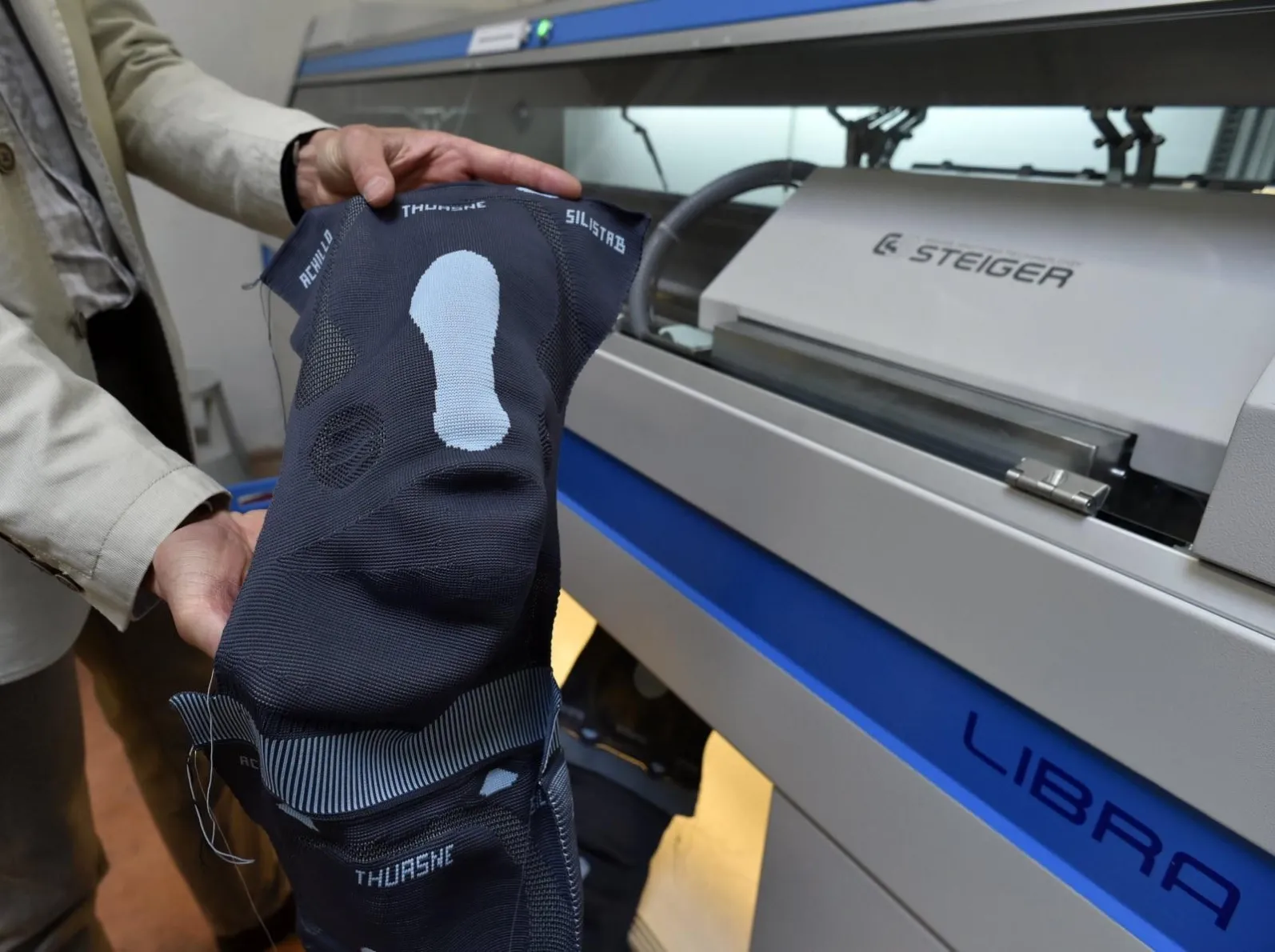
Aby-Tex describes development support covering materials, product structure, sizing, sampling, branding, and packaging on its company page. Buyers can use those areas to organize a project-specific sample review rather than relying on a single overall approval.
Establish a Clear Approval Before Bulk Production
Before production begins, both parties should know exactly which product has been approved.
Keep a reference sample alongside a written specification. The sample demonstrates physical appearance and feel; the specification records dimensions, tolerances, materials, construction details, branding, and packaging requirements.
Confirm that the proposed production materials match those used for approval. If the sample used a temporary yarn, substitute color, or provisional label, resolve that difference before treating it as the production reference.
The approval package should identify:
- Product and specification version.
- Approved material and component details.
- Size chart, measurement method, and tolerances.
- Workmanship and appearance requirements.
- Applicable performance checks.
- Artwork and packaging versions.
- Outstanding conditions, if any.
Avoid an approval message that simply says “sample confirmed” when packaging or size-set review remains unfinished. State what is approved and what must still be resolved.
Make Quality Control Specific to the Product
A quality-control plan should explain what is checked, when it is checked, and what happens if a result falls outside the agreed requirements.
For buyers, the value lies in whether the checks address their product risks.
Checkpoint | What buyers should confirm | Purchasing question it answers |
|---|---|---|
Incoming materials | Material identity, agreed specifications, and substitution controls | Is production using the approved inputs? |
Production setup | First pieces compared with the approved specification | Has the approved design been transferred correctly? |
In-process review | Relevant dimensions, construction, and workmanship | Can deviations be identified before the order is complete? |
Finished goods | Size, appearance, workmanship, and agreed performance checks | Does the completed product meet acceptance requirements? |
Packing | SKU, size, quantity, artwork, barcode, and carton details | Will the correct goods reach the correct inventory location? |
Agree on inspection coverage and defect definitions before shipment. A photograph showing several finished products cannot establish that the whole order meets the specification.
Also separate visual inspection from performance testing. A dimensional check does not prove a pressure claim, and a clean appearance does not demonstrate wash durability.
For compression sock projects, the compression sock sourcing guide provides a more detailed framework for discussing pressure verification, sizing, and sampling.
Treat Packaging as an Order-Control Requirement
Packaging affects customer understanding, warehouse receiving, and stock accuracy. Approve it with the same care as the product.
For US and Canadian orders, prepare destination-specific artwork requirements and confirm the applicable labeling and language requirements before printing. Do not assume that a package prepared for one customer or market fits another.
Check that the product, package, and online listing use the same size chart and product identification. If measurements appear in inches and centimeters, verify that the conversions are consistent.
Review a physical packaging sample where practical. Confirm legibility, barcode scanning, pack quantity, and whether the product can be packed without obscuring important information.
Wholesalers and importers should also specify carton assortments. A shipment containing the correct total quantity can still create receiving problems if sizes or colors are packed differently from the agreed plan.
Judge Communication by Decisions and Records
Useful supplier communication helps the buyer decide what to approve, change, or investigate.
Ask for updates linked to project milestones: material confirmation, sample completion, revision review, production readiness, inspection, and shipment preparation. Each update should identify the current status, unresolved issue, responsible person, and next decision.
For schedules, clarify what starts the clock. Material availability, artwork approval, sample revisions, and inspection arrangements may affect the project plan. Obtain a schedule for the actual order rather than relying on a general sampling statement.
If a problem appears, request a clear description of the affected quantity or production stage, the proposed action, and any impact on delivery. Early, specific disclosure gives buyers more useful options than a last-minute assurance.
Before ordering, also agree on the process for nonconforming goods: what evidence to provide, how affected stock will be identified, and how proposed remedies will be reviewed.
Protect Repeat Orders with Written Change Control
Repeat-order confidence depends on preserving the approved product and making proposed changes visible.
Reference the specification version on each purchase order. Ask the supplier to confirm whether materials, components, production arrangements, finishing, or packaging will differ from the previous approved order.
A replacement yarn should not be accepted solely because it has the same fiber percentages. Ask what differs and decide whether new samples or additional checks are needed before approving the substitution.
Keep changes to customer-facing details under control as well. Revised size names, packaging dimensions, barcode placement, or multipack configurations can create problems even when the support itself is unchanged.
For example, if a repeat order uses an updated carton assortment, record whether that change applies only to the current shipment or becomes the new standard. This prevents a temporary exception from silently becoming the default.
Retain order and lot references where practical. If customers report a fit issue, those records help distinguish a particular batch or size from the entire product line.
Check Replenishment Terms Before the First Order
A workable first order does not automatically create a workable replenishment program.
Ask about repeat-order minimums by style, size, color, and packaging configuration. Confirm whether you can reorder fast-selling sizes without buying the original assortment again.
Discuss which materials are normally sourced for each order and what information is needed to plan the next production run. Treat forecasts as planning inputs and distinguish them from firm purchase commitments.
For private-label brands, align product revisions with remaining inventory. If the size chart or appearance changes, decide how old and new stock will be identified before the revised product enters distribution.
A Buyer Checklist for Evaluating Supplier Readiness
Before placing or repeating an order, confirm that the following are available:
- A clear product specification and version number.
- Sample review records with unresolved issues identified.
- Approval covering the relevant sizes and construction.
- Agreed materials and a substitution-approval process.
- Defined quality checks and acceptance criteria.
- Approved packaging and SKU information.
- A schedule tied to actual approval and material requirements.
- A process for investigating nonconforming goods.
- Repeat-order quantities and assortment terms.
- Written confirmation of changes since the last approved order.
A supplier that can work through these points gives your purchasing team a stronger basis for decisions than broad claims about quality or service.
Frequently Asked Questions
What should buyers send before requesting knitted support samples?
Provide the intended application, target market, wearer measurements, size range, reference products, material preferences, branding, packaging, and expected order quantities. Identify any performance requirements and separate confirmed specifications from areas where you need development input.
Is one approved sample enough to begin bulk production?
Only if it covers the agreed approval scope. One sample may not resolve the full size range, final materials, branding, packaging, or measurable performance requirements. Record which items still need approval before production begins.
What should be checked again on repeat orders?
Confirm the specification version, materials, relevant dimensions, workmanship, branding, packaging, and agreed performance requirements. Review proposed changes and determine whether they require new samples or additional evaluation.
How should buyers compare supplier quality-control proposals?
Compare the actual checkpoints, measurement methods, acceptance criteria, inspection coverage, and response to nonconforming results. Ask how the proposal addresses the risks of your product rather than judging it by the number of checks listed.
Can a private-label project start from an existing Aby-Tex product?
Aby-Tex describes OEM, ODM, and private-label support for its knitted support range. Identify the closest existing product and provide your required changes. Confirm feasibility, sampling, quantities, and pricing for the specific project before proceeding.
Discuss Your Knitted Support Project with Aby-Tex
Start with the product you need to source and the decisions you need the sample process to resolve. For a knee support, that may include fit through movement; for an ankle sleeve, footwear compatibility; for a compression product, documented performance requirements.
Send Aby-Tex your target market, reference product, size requirements, customization details, packaging needs, and estimated quantities. Ask for a proposed development path with clear approval points and a reference that can carry forward into repeat orders.
Discuss your knitted support project with Aby-Tex and establish the requirements for the first sample review.
Explore Custom Knitting Support Solutions
Looking for a reliable supplier for your next knitting support project?
Aby-Tex supports private-label compression socks with customization options for yarns, sizing, colors and packaging.