Oct 12, 2026Manufacturing & Capabilities
How to Choose a Custom Knitted Knee Support Manufacturer
Learn how to evaluate a knitted knee support manufacturer, including knit construction, materials, sizing, anti-slip design, sampling and quality consistency.
How to Choose a Custom Knitted Knee Support Manufacturer
Choosing a knitted knee support manufacturer is not simply about finding the lowest price or an attractive product design.
For brands, importers and distributors, the bigger challenge is finding a supplier who understands product construction, fit, material performance and repeat-order consistency.
Two knee sleeves may look nearly identical, yet deliver very different wearing experiences.
Here are six factors worth checking before selecting your manufacturing partner.
1. Understand the Knitting Construction
Not all knitted knee supports are designed the same way.
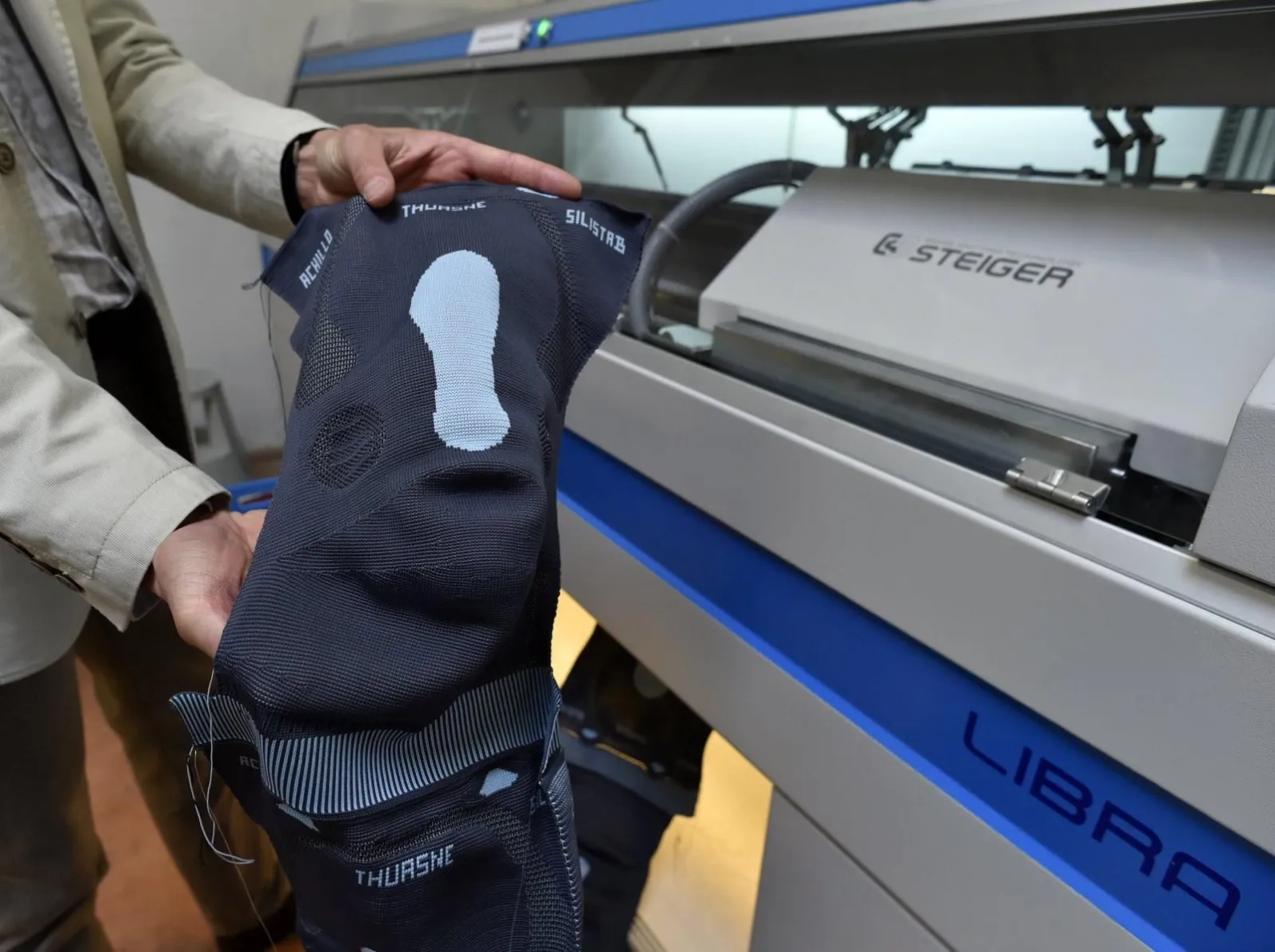
Some are basic elastic sleeves, while others use engineered knitting patterns to create different zones around the knee.
Depending on the design, manufacturers may offer:
- 3D knitted constructions
- Different elasticity and support zones
- Breathable knitted areas
- Reinforced structures around selected areas
- Extended or anatomically shaped sleeve designs
What to ask your supplier:
Can you explain how the knitting structure differs between your basic and premium models?
A knowledgeable supplier should be able to explain the construction rather than simply describe every product as high compression or professional support.
2. Check Material Selection and Elastic Recovery
Material selection affects comfort, stretch, durability and product cost.
Common knitted support materials include nylon, polyester and elastane, sometimes combined with other functional yarns.
However, a premium yarn does not automatically create a premium knee support.
Buyers should consider:
- Yarn composition and specifications
- Stretch and recovery after repeated use
- Breathability and skin-contact comfort
- Wash durability
- Material availability for repeat orders
Ask whether alternative yarns will change the product's fit, appearance or production cost.
3. Evaluate Sizing and Fit
Sizing is one of the most important factors in product development.
A knee support that fits too tightly may be uncomfortable, while a loose sleeve may move during activity.
Buyers should request a clear size chart with defined body measurement points.
It is also useful to check how the product fits different leg shapes, especially around the thigh, knee and calf.
A good size chart is only the starting point. Real fitting trials are necessary.
4. Review Anti-Slip Design
For sports applications, product movement can affect the wearing experience.
Different designs may use silicone grip bands, extended cuffs, adjusted knitting tension or additional straps.
Each option has trade-offs involving comfort, construction and cost.
When evaluating samples, check whether the sleeve rolls down, shifts during bending or creates uncomfortable pressure around the edges.
The right solution depends on the target consumer and intended activity.
5. Test Samples Before Confirming Production
An attractive product photo cannot replace a physical sample.
Before approval, buyers should examine:
- Overall fit and wearing comfort
- Flexibility during knee movement
- Edge rolling and slipping
- Knitting and stitching quality
- Elastic recovery after use
- Appearance after washing
For private-label development, confirm the approved materials, dimensions, construction and packaging before mass production.
6. Ask About Repeat-Order Consistency
A successful first order is important. Consistent repeat production is equally valuable.
Changes in yarn, knitting parameters, sizing or finishing may influence the wearing experience.
Before choosing a supplier, ask how the approved sample becomes the production reference and how material substitutions are controlled.
Buyers should also clarify inspection methods, tolerances and the process for handling quality deviations.
Work with a Development-Oriented Supplier
A reliable knee support supplier should help buyers make informed decisions about product construction, sizing, material options and production requirements.
At Aby-Tex, we support OEM/ODM development for knitted knee supports, including material selection, product specifications, sampling, private labeling and production coordination.
Whether you are developing a new product line or reviewing an existing supplier, clear specifications and sample evaluation are the foundation of a more reliable sourcing process.